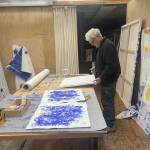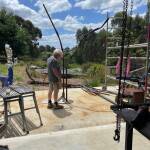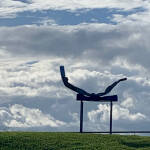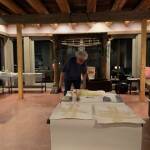
There is a strange, paradoxical freedom to working inside another anonymous hotel room studio. Surrounded by sterile walls, generic furniture, and the quiet hum of a strange city, the space forces a complete stripping away of the familiar comforts and clutter of my permanent workspace. In this environment, the act of creation becomes entirely portable, compressed into whatever surface a temporary desk can provide. These transient rooms strip your focus down to the absolute bare essentials; when you have nothing familiar to look at, you are forced to look entirely inward, translating the raw immediacy of travel directly onto whatever scrap of paper or canvas lies before you.
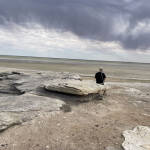
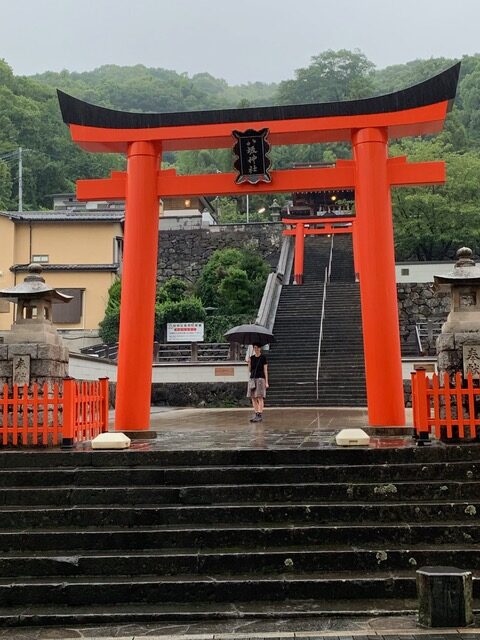
Yet, even within the plastic landscape of modern hospitality, my mind keeps drifting back to the landscape outside, and specifically to the profound elegance of Shinto philosophy. There is something deeply appealing, almost devastatingly beautiful, about the animistic idea that a simple, uncarved rock can hold the weight of the sacred. In the West, we build massive, soaring stone cathedrals to house the divine, trapping our spirituality inside complex architectural grids. Shinto demands the exact opposite—a quiet realization that the spiritual force of the universe is already fully present in the unpolished elements of the earth itself, requiring only a straw rope or a moment of stillness to be recognized.
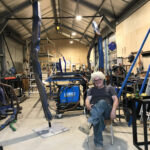
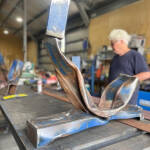
As an artist who spends his life manipulating physical materials—bending steel, carving forms, and layering paint—this philosophy offers a powerful sense of artistic humility. It suggests that our role isn’t necessarily to invent meaning from scratch, but to listen closely enough to reveal the sacred resonance that already resides within the raw matter of the world. Standing in a temporary room, looking at the tools spread out across a generic desk, you realize that any space can become a sacred studio if you approach the material in front of you with that exact same level of reverence.